
The Thrill of Uncertainty
The allure of gambling often stems from the thrill of uncertainty and the excitement that accompanies it. Every time a player places a bet, they enter a realm filled with unpredictable outcomes. This unpredictability triggers the brain’s reward system, releasing neurotransmitters like dopamine, which enhance feelings of pleasure. The prospect of winning can create an exhilarating rush that many find addictive, leading them back to the uk casino sister sites time and again. The intoxicating highs of winning can overshadow the reality of losses, fostering a cycle of continued engagement.
Moreover, this uncertainty resonates deeply within human psychology. Many individuals are naturally inclined to take risks, and gambling offers a socially acceptable way to explore this tendency. The psychological concept of ‘variable reinforcement’ plays a significant role here; players are rewarded unpredictably, which can lead to a stronger attachment to the activity. This unpredictability keeps gamblers returning as they chase the next big win, further fueling their passion for the experience.
Additionally, casinos are designed to amplify this thrill through various sensory stimuli. Bright lights, exciting sounds, and the presence of other enthusiastic gamblers create an electrifying environment. This orchestrated atmosphere enhances the emotional experience of gambling, making both winning and losing feel more impactful. The combination of these elements contributes significantly to why people are drawn to casinos, as they provide a unique space where the thrill of uncertainty can be experienced to its fullest.
The Social Experience of Gambling
Another compelling aspect of gambling is its inherently social nature. Casinos serve as vibrant social hubs where individuals come together, bonding over shared experiences. For many, the camaraderie found in these environments is as enjoyable as the act of gambling itself. Whether celebrating a win or commiserating over losses, the connections formed in casinos can deepen the overall experience and make it more appealing.
Social interaction can also mitigate the risks associated with gambling. Many players feel more comfortable placing bets when surrounded by friends or fellow gamblers, as the collective energy can diminish feelings of anxiety or isolation. Group dynamics play a significant role in encouraging individuals to engage with gambling, often leading them to embrace risks they might otherwise avoid alone. This social aspect of gambling can create a sense of belonging, further solidifying its attraction.

Moreover, casinos often host events and tournaments, fostering a sense of community among players. These gatherings not only enhance the thrill of competition but also allow individuals to showcase their skills and strategies. The shared experience of competing for prizes can build camaraderie among participants, reinforcing the idea that gambling is not just about monetary gain; it’s also about the connections made and the memories created. As a result, the social allure of casinos remains a strong motivator for many enthusiasts.
Psychological Factors Influencing Gambling Behavior
The psychology of gambling behavior is complex and influenced by various factors, including cognitive biases and emotional triggers. One prevalent cognitive bias is the illusion of control, where players believe they have more influence over the outcome of games than they actually do. This misconception can drive individuals to engage even when the odds are against them, as they feel empowered by their perceived ability to win. This belief can lead to repeated gambling sessions, often resulting in significant financial consequences.
Emotional state plays a crucial role in gambling behavior as well. People often gamble to escape negative feelings or seek out positive emotions. This emotional release can be potent, as the excitement of betting can temporarily overshadow stress or anxiety. However, it can also lead to problematic gambling behaviors if individuals begin to rely on it as a primary coping mechanism. The cycle of gambling to alleviate negative emotions can ultimately lead to deeper issues, including addiction.
Additionally, the concept of near misses can further complicate the psychology behind gambling. Players often interpret near wins as signs of potential success, which can reinforce their desire to keep playing. This false sense of hope keeps gamblers engaged, as they chase the feeling of impending victory. Understanding these psychological factors is vital to unraveling why casinos hold such an irresistible appeal for many people and how they can impact individual behaviors.
The Role of Environment and Design
The casino environment plays a fundamental role in enhancing the gambling experience. Thoughtfully designed spaces create an atmosphere filled with excitement and anticipation. From the placement of games to the colors and sounds used throughout the casino, every detail serves to keep players engaged. For instance, the sounds of coins clinking and celebratory announcements can lure players to certain machines, creating a sense of urgency and excitement around the activity.
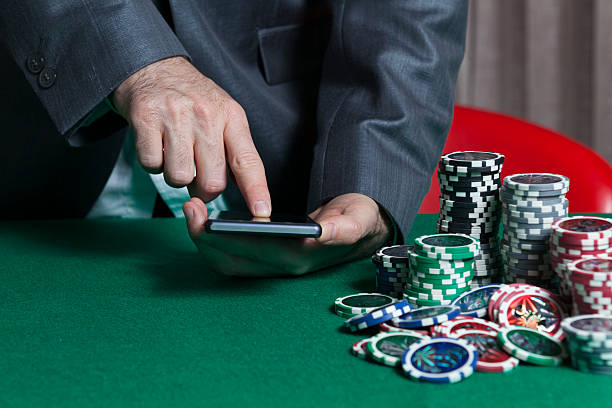
Lighting also plays a critical role in the overall ambiance of casinos. Bright, vibrant lights are strategically used to attract attention and create an energized atmosphere. This design choice not only enhances the excitement of the games but also manipulates players’ perceptions of time, making them less aware of how long they have been there. As a result, gamblers may lose track of time, further compelling them to stay and play. This psychological trick contributes to prolonged gambling sessions and increased spending.
Furthermore, the layout of casinos is designed to encourage exploration and movement. With the arrangement of games and facilities, players are drawn from one area to another, increasing exposure to various gambling options. This design strategy can lead to longer play sessions and enhanced spending, as the excitement of discovery keeps players engaged. Ultimately, the carefully crafted environment of a casino plays a pivotal role in attracting and retaining gamblers, ensuring that they return for more thrilling experiences.
Understanding Responsible Gambling
As enticing as casinos may be, it is crucial to address the importance of responsible gambling. Awareness and education about the potential risks associated with gambling can help players make informed choices. Many establishments are now implementing programs and resources to promote responsible gaming practices. These initiatives provide support to those who may struggle with gambling-related issues, fostering a safer gaming environment where enjoyment does not come at the cost of personal well-being.
Furthermore, understanding the signs of problem gambling is essential for maintaining a healthy relationship with the activity. Individuals should be encouraged to set limits on time and money spent in casinos, ensuring that gambling remains a form of entertainment rather than a source of stress or financial strain. Encouraging self-awareness and honesty about one’s gambling habits can help prevent potential issues from escalating, allowing individuals to enjoy the thrill without the negative consequences.
Incorporating strategies such as time-outs or seeking assistance from support groups can also be beneficial for individuals who find themselves struggling. By taking proactive steps, gamblers can enjoy the thrill of the experience while minimizing the risk of developing harmful behaviors. It’s crucial to balance the excitement of gaming with the awareness of its potential downfalls, ensuring that the passion for casinos remains a source of joy rather than distress. Ultimately, responsible gambling practices are essential for promoting a sustainable and enjoyable gambling experience.